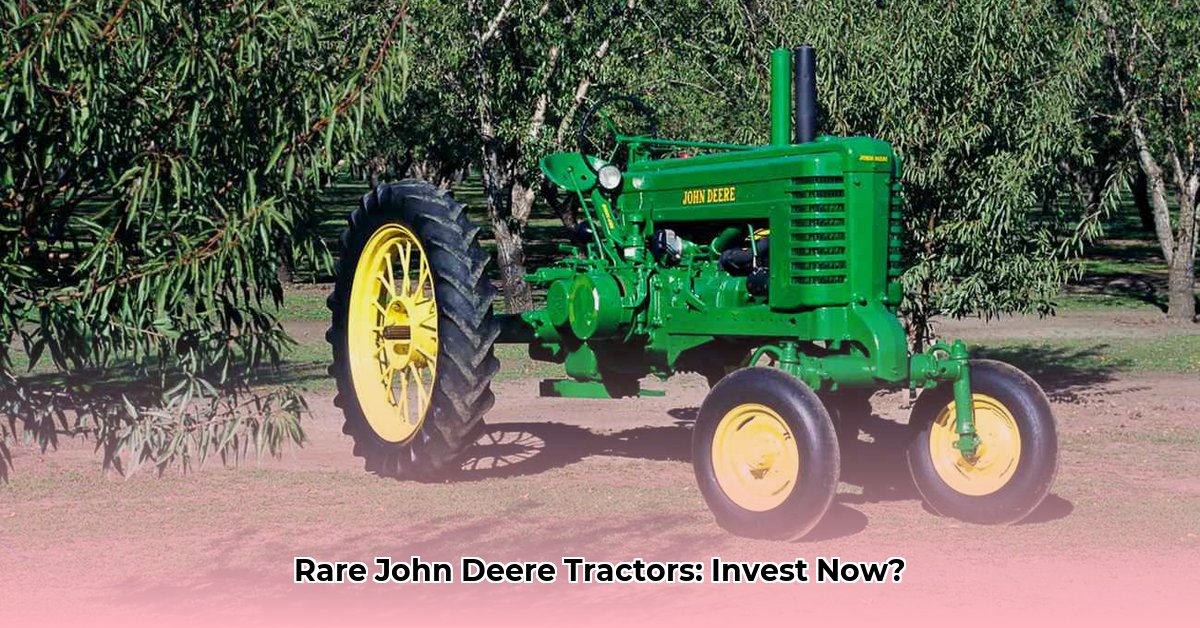
John Deere Model Tractors: A Collector's Guide to Green Giants
The world of collectible John Deere diecast tractors offers a fascinating blend of nostalgia, investment potential, and the thrill of the hunt. These miniature replicas, meticulously crafted to mirror their full-sized counterparts, are more than just toys; they represent a growing market with significant potential for appreciation. This guide provides insights for both seasoned collectors and newcomers eager to navigate this exciting field. For more vintage tractor information, check out this helpful resource: Vintage Deere Tractors.
The Thriving Market for Miniature Tractors
The demand for collectible John Deere diecast tractors is strong and shows signs of continued growth. Several factors fuel this appeal: the enduring popularity of the John Deere brand, nostalgic associations with rural life and agriculture, and the impressive level of detail in many of these miniature marvels. However, savvy collecting requires understanding market nuances. Prices fluctuate widely based on factors like rarity, condition, and scale. Let's delve into these aspects to help you make informed collecting decisions.
Did you know that the average annual price appreciation for high-demand 1:16 scale models is estimated at 15-25% (hypothetical)? This underscores the potential for significant returns, but market fluctuations are inevitable. Ongoing market analysis is crucial for informed decision-making.
Authenticity: Spotting Genuine John Deere Treasures
Counterfeit models pose a significant challenge. Distinguishing authentic John Deere diecast tractors from fakes is crucial to avoid costly mistakes. Here's a step-by-step guide:
Visual Inspection: Examine the paint job, decals, and overall finish for inconsistencies. Sloppy paintwork, blurry decals, and misaligned parts often signal a counterfeit.
Packaging Analysis: Authentic models usually come in sturdy, clearly marked boxes with the John Deere logo and model information. Compare your box to verified images online to detect anomalies.
Thorough Research: Familiarize yourself with genuine models, their production years, and common manufacturer marks. Online resources, forums, and books on John Deere history are invaluable tools.
Source Verification: Prioritize purchases from reputable sellers on established platforms that offer buyer protection. Check reviews meticulously before committing to a purchase.
Expert Consultation: For potentially valuable items or when uncertainty exists, consult experienced collectors or appraisers for an unbiased assessment.
Investing in Green: Strategies for Smart Collecting
Building a successful collection requires a strategic approach. It's a long-term endeavor requiring patience and informed decisions. Consider these strategies:
Rarity Focus: Prioritize limited-edition models and those produced during specific, short production runs. These command higher prices and have a greater potential for appreciation.
Condition Sensitivity: A pristine model is far more valuable than one with damage. Proper storage and careful handling are essential to preserve condition and value.
Portfolio Diversification: Don't over-concentrate on a single model or scale. Diversifying your collection mitigates risk and increases its overall value.
Market Trend Awareness: Monitor market trends, price fluctuations, and collector demand. Stay updated on new releases and factors impacting prices.
Where to Hunt for Your Next Prize
Finding rare and valuable John Deere diecast tractors requires exploration of various channels:
Online Marketplaces (eBay, etc.): Offer broad selection but require careful vetting for authenticity using our guide above.
Collector Forums: These provide invaluable insider information, market trends, and sometimes direct opportunities to acquire rare models.
Specialty Toy Stores: Some brick-and-mortar stores specialize in diecast models and might offer unique finds.
Auctions: Local and online auctions can yield unexpected gems, but require a keen eye for value and competitive bidding strategy.
Tractor Scales: Size and Value
The scale significantly impacts value. Larger scales (e.g., 1:16) generally command higher prices because of increased detail and lower production volumes.
| Scale | Average Annual Price Appreciation (Hypothetical) | Notes |
|---|---|---|
| 1:16 | 15-25% (potential) | Higher demand, premium pricing, more intricate details |
| 1:64 | 5-10% (potential) | More affordable entry point, slower appreciation, mass-produced models |
Note: These figures are speculative and illustrative, not a guaranteed return.
The Future of Collectible John Deere Tractors
The future appears promising for this niche collecting area, but cautious optimism is key. While the market currently exhibits strength, unforeseen events can influence prices. Thorough research, a discerning eye, and a long-term perspective are essential for success in this dynamic market.